Blog

Home » Blog » Stainless Steel Stair Nosing Selection Installation Guide

Stainless Steel Stair Nosing Selection Installation Guide

Why Stair Nosing is Crucial

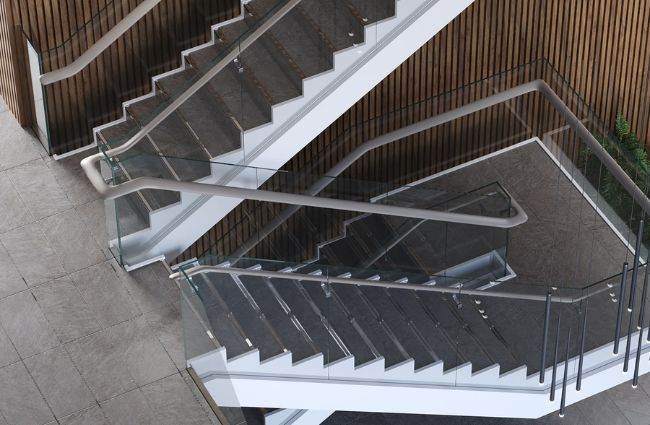
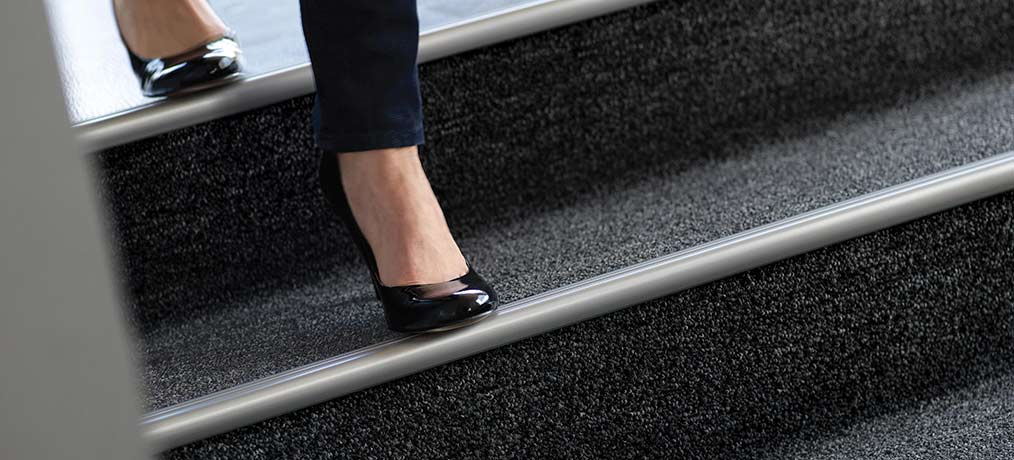
Every staircase needs stair nosing because it provides safety functions as well as durability benefits. The protective strip located at the step edge functions as a safety measure which minimizes falls and slips specifically designed for older adults and young children. The protective role of stair nosing extends beyond safety features because it shields concrete and wooden stair edges from degradation thus extending the staircase's operational time and its visual appeal.

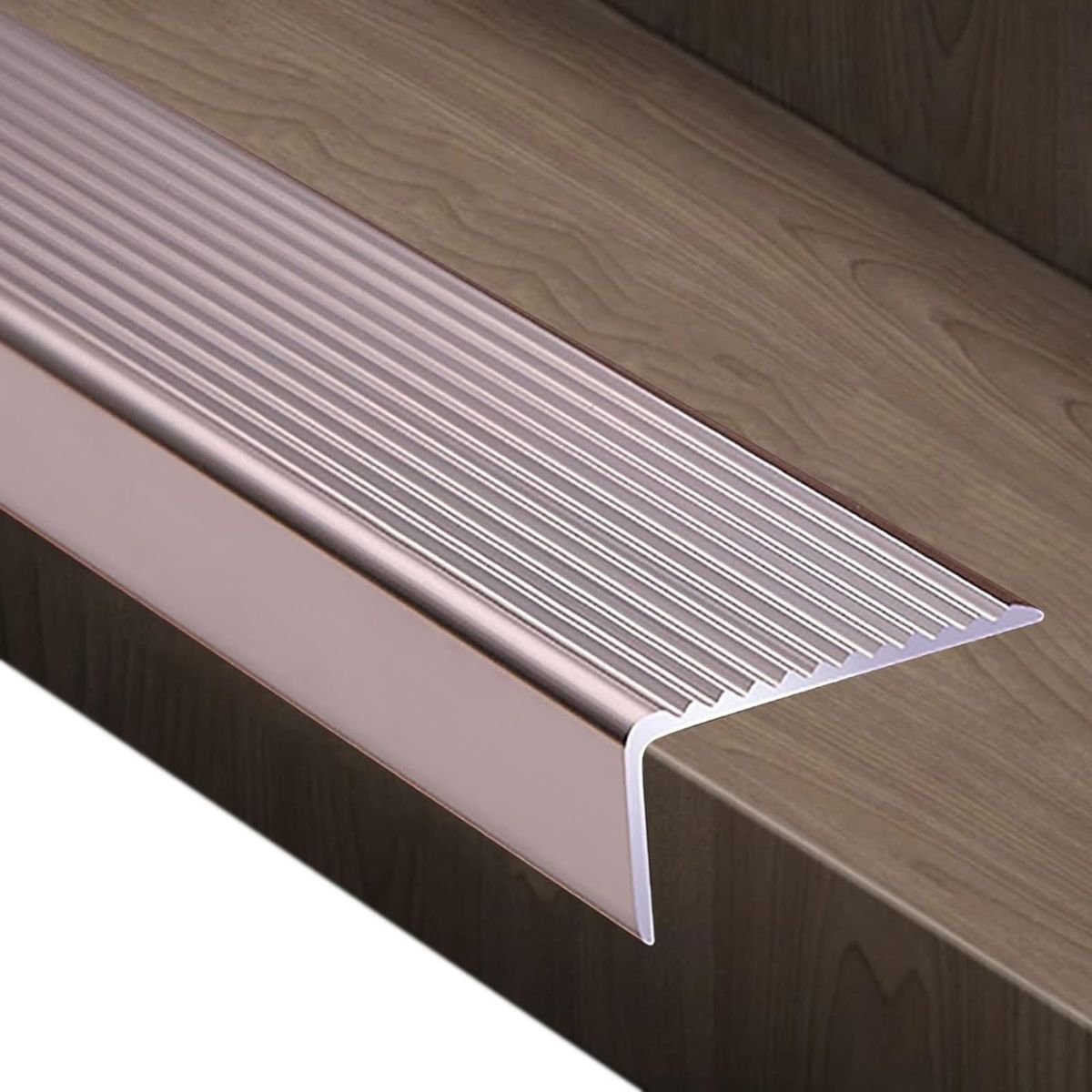
Stainless Steel Stair Nosing

Stainless Steel vs. Aluminum Stair Nosing: How to Choose?

The selection of stair nosing materials depends on the specific requirements that need to be fulfilled. The two primary material options for stair nosing include stainless steel and aluminum each delivering different benefits for particular environments and user needs.

Advantages of Stainless Steel Nosing

Advantages of Stainless Steel Nosing

  • Stainless steel nosing demonstrates exceptional load-bearing properties which make it suitable for industrial and high-traffic locations.
  • The rust-resistant material proves excellent for outdoor applications and humid environments since it delivers extended durability.
  • The material needs minimal maintenance while offering durable performance with no rust-related issues throughout its entire lifespan.

Advantages of Aluminum Nosing

  • The lightweight nature of aluminum makes it suitable for DIY projects and installation procedures.
  • The material allows straightforward trimming operations using standard tools to enhance installation efficiency.
  • The anodized finishes provide various color options which create seamless integration with any interior design scheme.
Advantages of Aluminum Nosing

Comparison Table: Stainless Steel vs. Aluminum

Feature

Stainless Steel

Aluminum

Compressive Strength

High

Medium

Weather Resistance

Excellent

Good

Weight

Heavy

Light

Customization

Limited

High

Maintenance

Low

Low

Key Purchasing Indicators

Your stair nosing selection depends on evaluating essential factors that guarantee both safety measures and staircase compatibility.

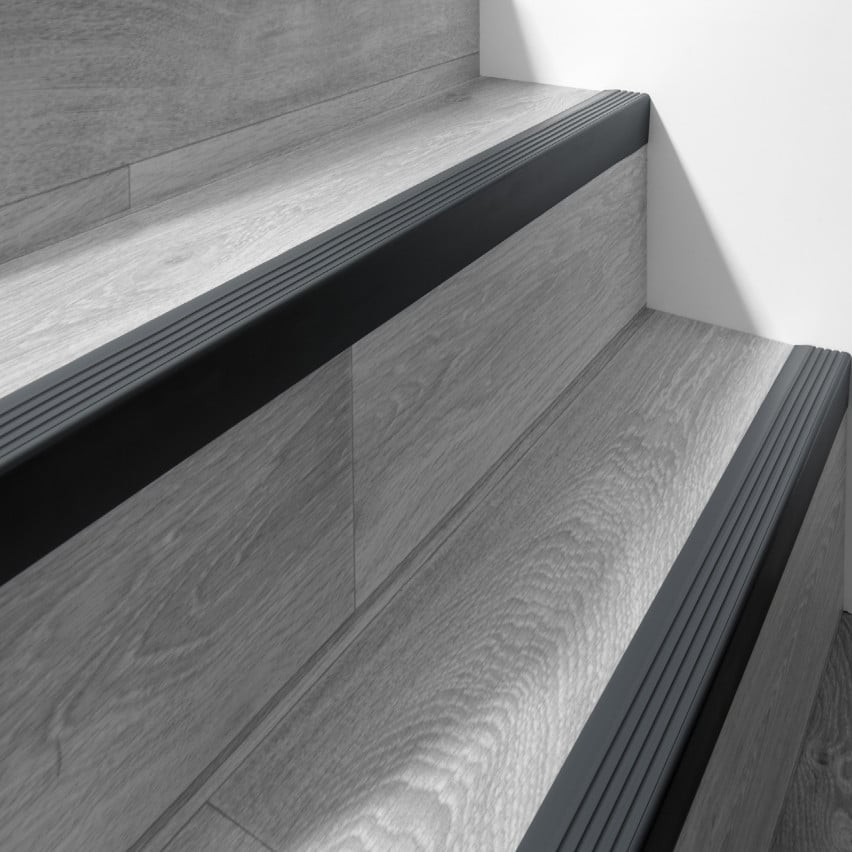
Anti-slip Stair Nosing

Slip Resistance Rating

The slip resistance rating system reaches from R10 to R13. Residential areas require R10 ratings yet R12 or R13 stands as the safety standard for commercial facilities and busy locations including hospitals.

Installation Method

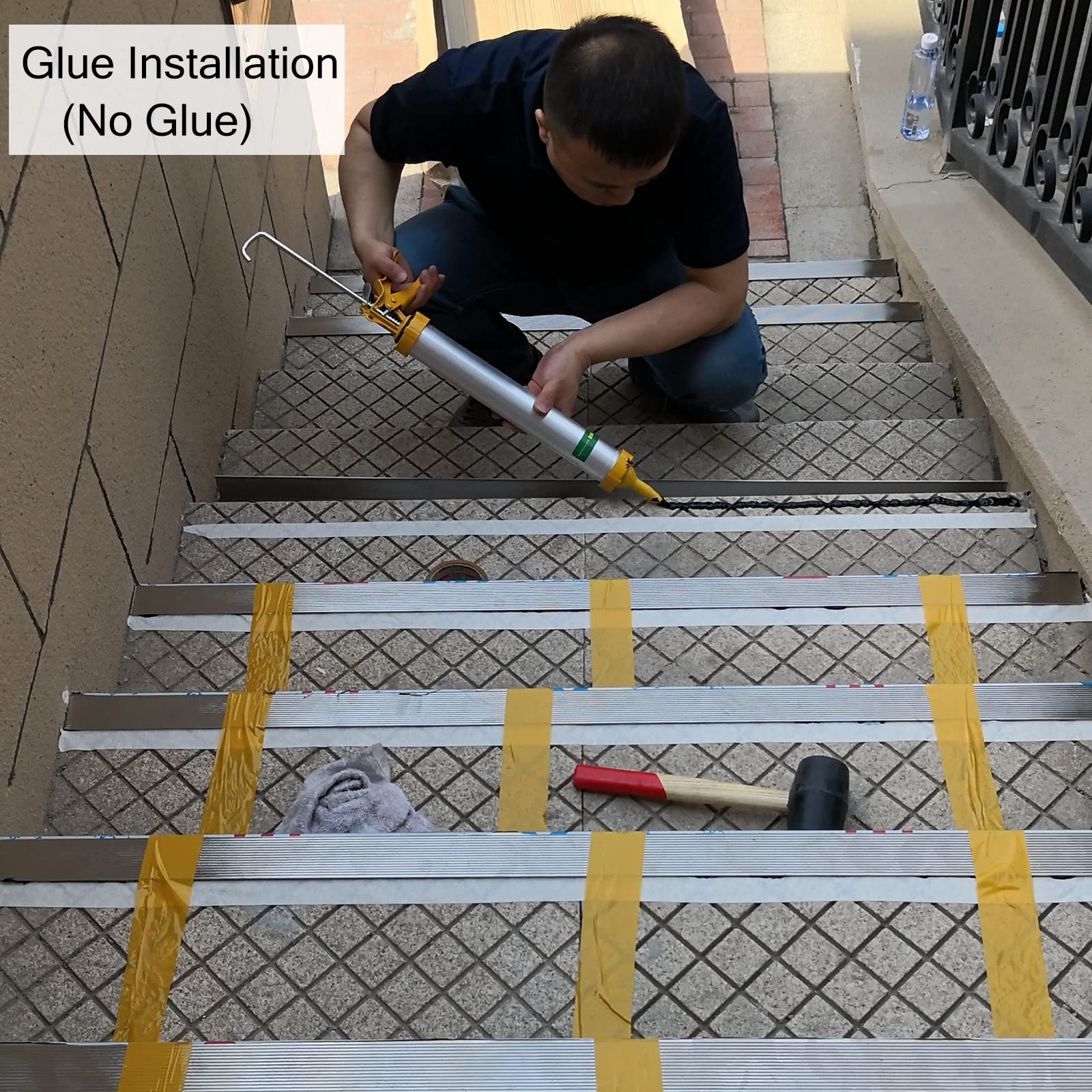
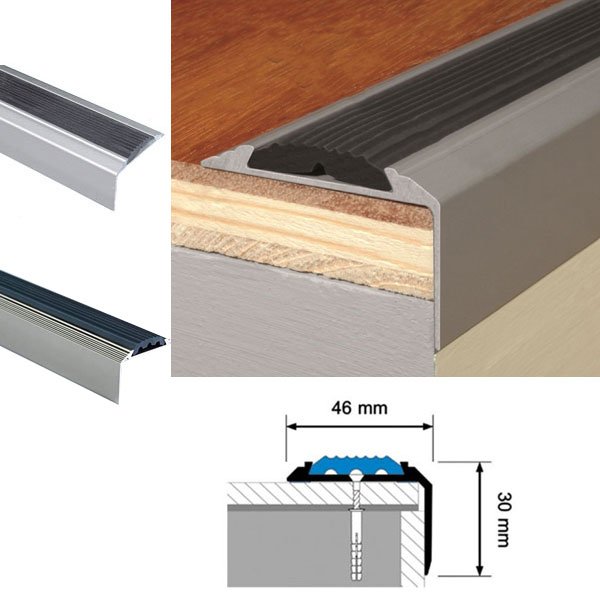
Different stair constructions require separate installation procedures. The method of adhesive fixing proves effective for concrete stairs yet mechanical fixing with screws provides better results for wooden stairs. Select the correct installation method based on your nosing type to achieve proper fit.

Professional Installation Guide

Installing Stair Nosing on Concrete Stairs

1.Surface Preparation: Thorough cleaning of the stair edge must occur before work begins along with removing all dust and debris and verifying dryness.

2.Epoxy Adhesive Application: Follow the manufacturer's instructions for applying high-quality epoxy adhesive to the nosing underside.

3.Positioning: The nosing needs exact placement along the stair edge.

4.Securing: The installer should press the nosing firmly while using weights or clamps to maintain its position until the adhesive sets.

5.Load Testing: After the curing process finishes you should test the nosing to verify it supports expected weights.


Installing Stair Nosing on Concrete Stairs

Installing Stair Nosing on Wooden Stairs

Installing Stair Nosing on Wooden Stairs

1.Pre-Drilling: Drilling small pilot holes through both the nosing material and stair tread prevents wood splitting.

2.Screw Selection: Choose screws which provide sufficient grip for stability yet stay below the tread thickness to prevent complete penetration.

3.Positioning: Position the nosing correctly on the step border.

4.Securing: Insert screws through holes until they achieve complete tightness.

5.Hiding Screws: Wood filler or plugs should be applied over screw heads to create a finished appearance.

Tips to Avoid Common Mistakes

  • The sealant used for gap filling between stair edges and nosing should be durable to prevent the nosing from coming loose.
  • The use of waterproof adhesives becomes essential in wet conditions since they maintain strong bonding properties.
  • A regular inspection of nosing must occur because wear or detachment requires immediate maintenance.

Get A Free Sample

Try out the products you are interested in and get free samples. See the quality for yourself and let’s start working together right away.

全局弹窗

Get In Touch Today

After you fill out the form, We will contact you within 24 hours.

The first objective will be to understand your needs, then develop a business plan together and provide you with the best pricing!

Address

Workshop No. 3 (Self - designated), Sizhong Industrial Zone, Dazhen Community, Dali Town, Nanhai District, Foshan City

Tel

+86 13392243769

WhatsApp

+86 13392243769

Email

senmry@vip.163.com