Blog

Home » Blog » What types of carpet to carpet transition strips are there?

What types of carpet to carpet transition strips are there?

When connecting two carpeted areas, such as between rooms or across thresholds, carpet to carpet transition strips ensure a polished, functional finish. This in-depth guide explores their types, benefits, and practical considerations, drawing from established flooring practices to help you select and install the right option.

Understanding the Basics

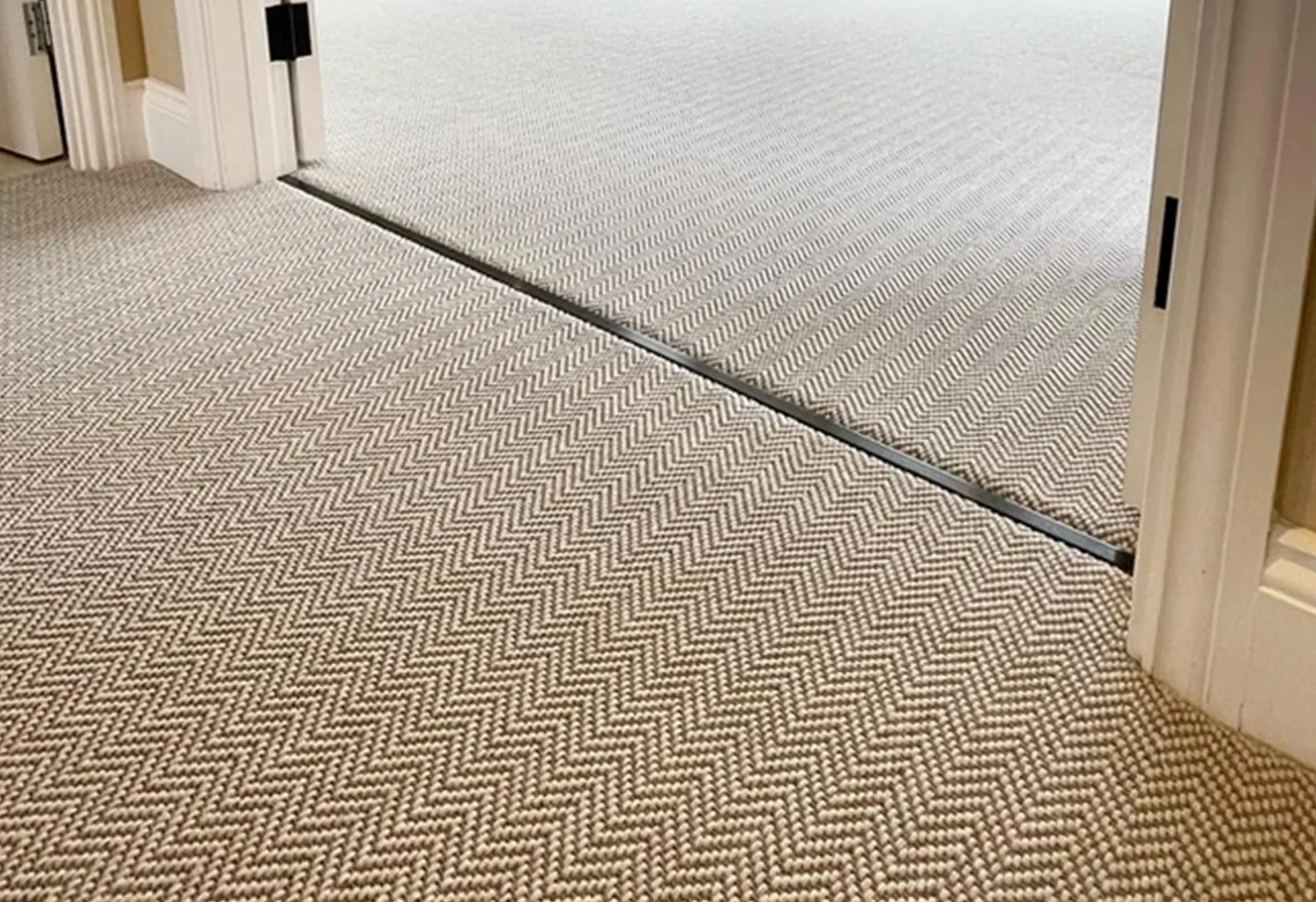
A carpet to carpet transition strip bridges the gap where two carpets meet, addressing issues like height variations, edge protection, and visual continuity. Unlike transitions to hard floors, these focus on soft-to-soft joins, often using adhesive, clips, or mechanical fixes. Factors influencing choice include carpet thickness, room traffic, and subfloor type (e.g., concrete vs. wood). Proper use can extend carpet life by preventing pulls or separations.

carpet to carpet transition strip

Common Types of Carpet to Carpet Transition Strips

Here's a breakdown of the most effective types, each suited to specific scenarios:

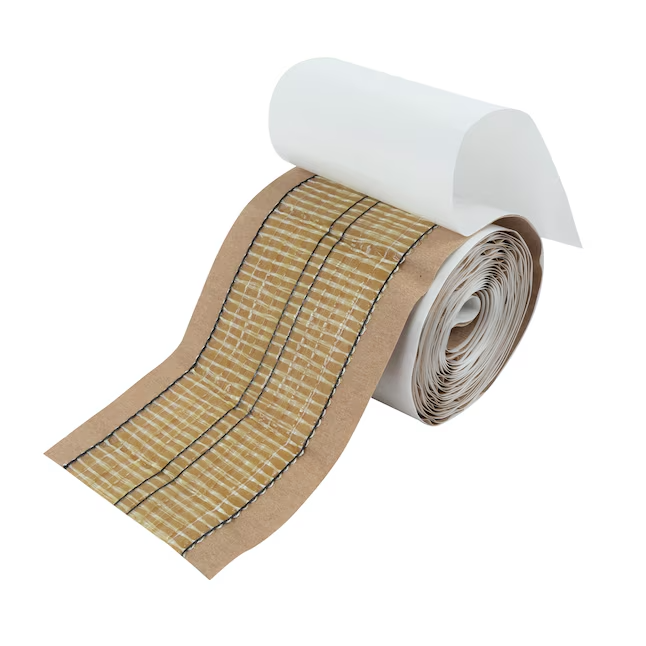
Carpet Seam Tape: Ideal for creating nearly invisible seams in large areas or when blending similar carpets. This adhesive-backed tape bonds edges under heat (using a seaming iron), resulting in a flat, seamless join. It's best for low-traffic zones and same-height carpets, offering a clean look without hardware.

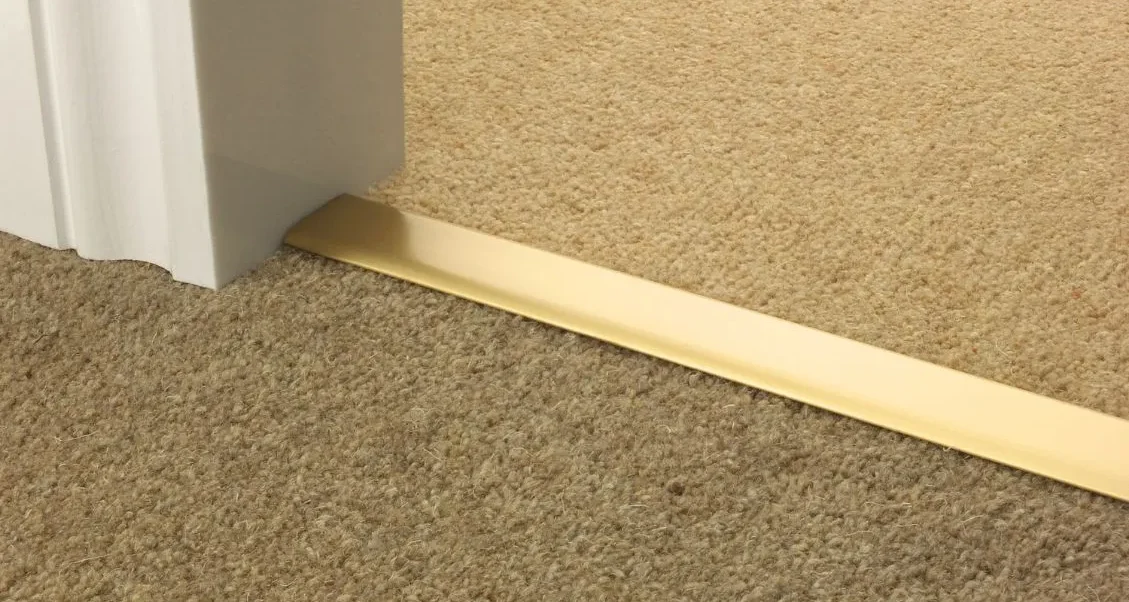
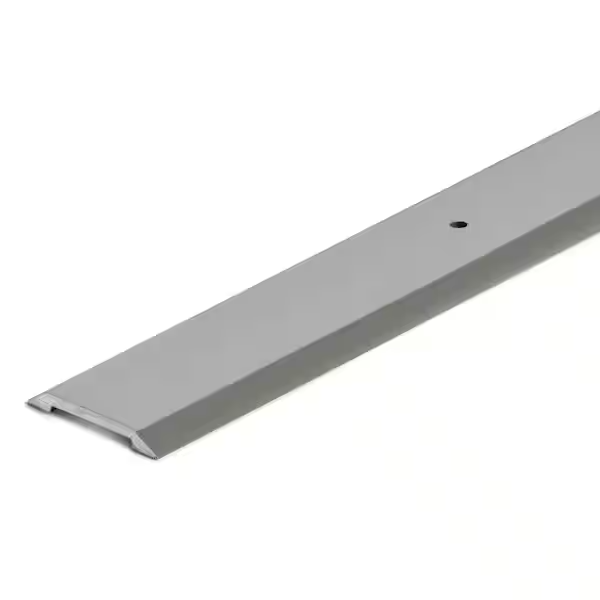
Threshold Bars (Seam Binders): These flat or slightly raised bars cover the seam directly, providing a defined boundary. Often made of metal or wood, they screw or glue into the subfloor and protect against wear. Great for doorways, they add a decorative element and work well with minor height differences.

Z-Bar Transitions: Shaped like a "Z," this strip tucks one carpet edge under the other for a secure hold. It's excellent for post-installation fixes or when one carpet is thicker, preventing accidental pulls. Commonly metal, it's hammered or screwed down, ensuring stability in high-traffic spots.

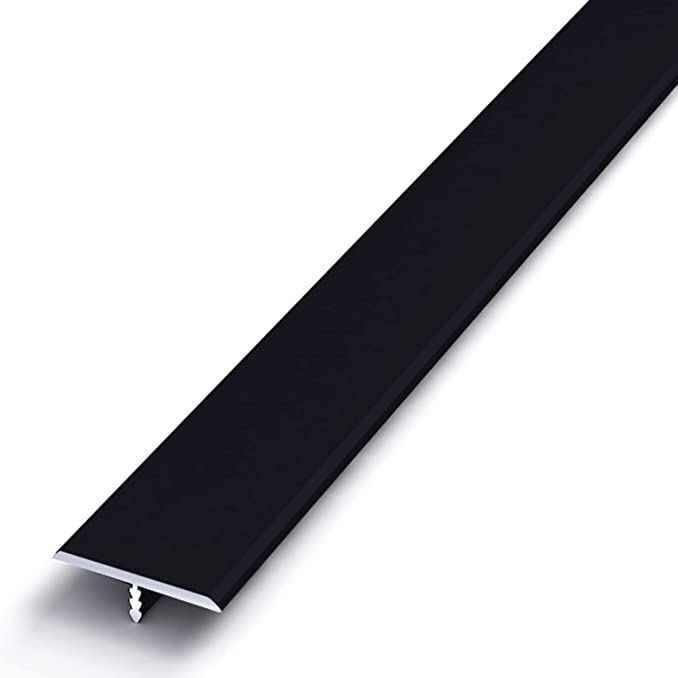
T-Molding Strips: T-shaped for equal-height carpets, these fit into the gap like a puzzle piece, with the top bar overlapping both sides. Available in PVC or metal, they're versatile for straight runs and provide a subtle, even transition without bulk.

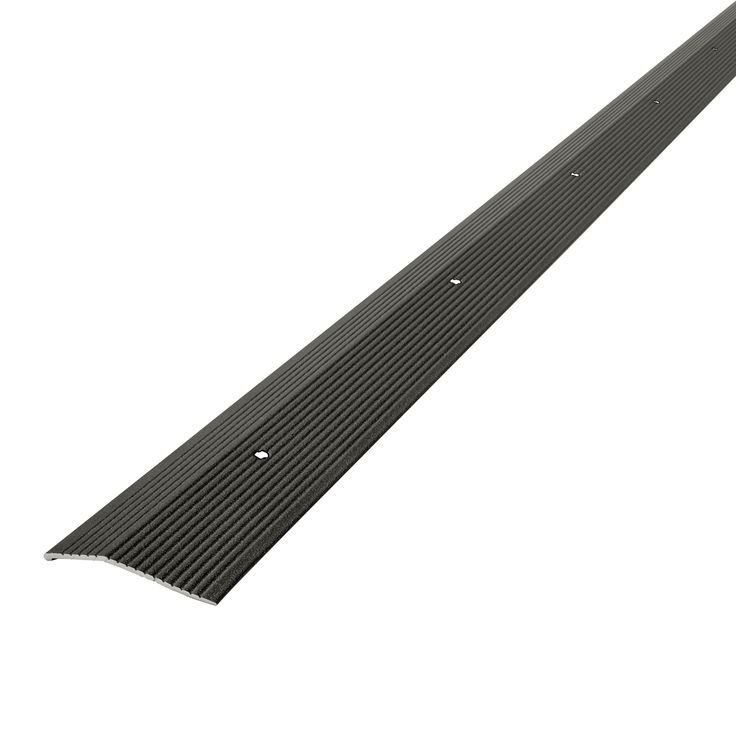
Reducer Strips: Used when carpets have noticeable height variances (e.g., 1/4-inch difference), these slope gently from higher to lower. Vinyl or rubber versions absorb impact, making them suitable for family homes, while metal ones offer premium durability.

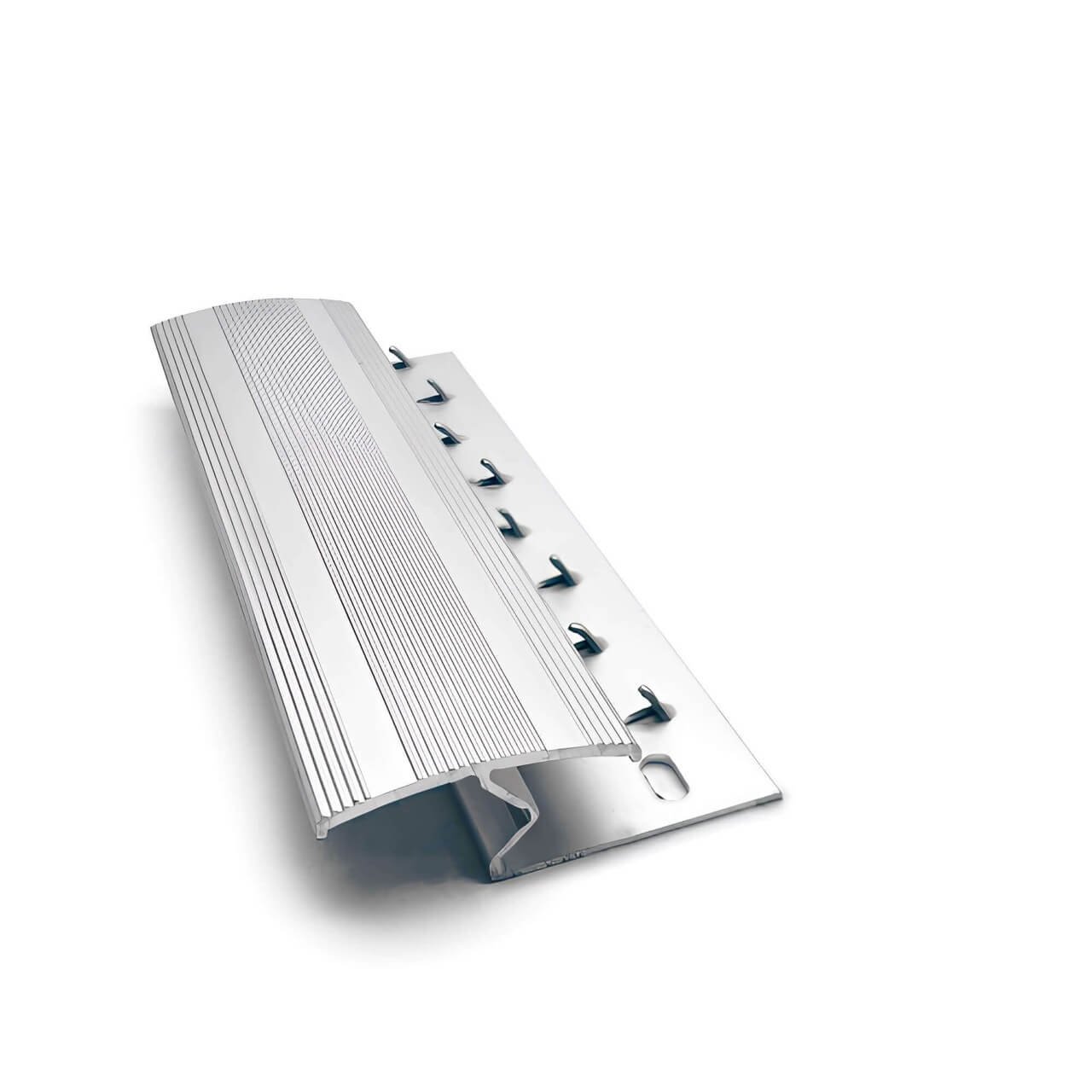
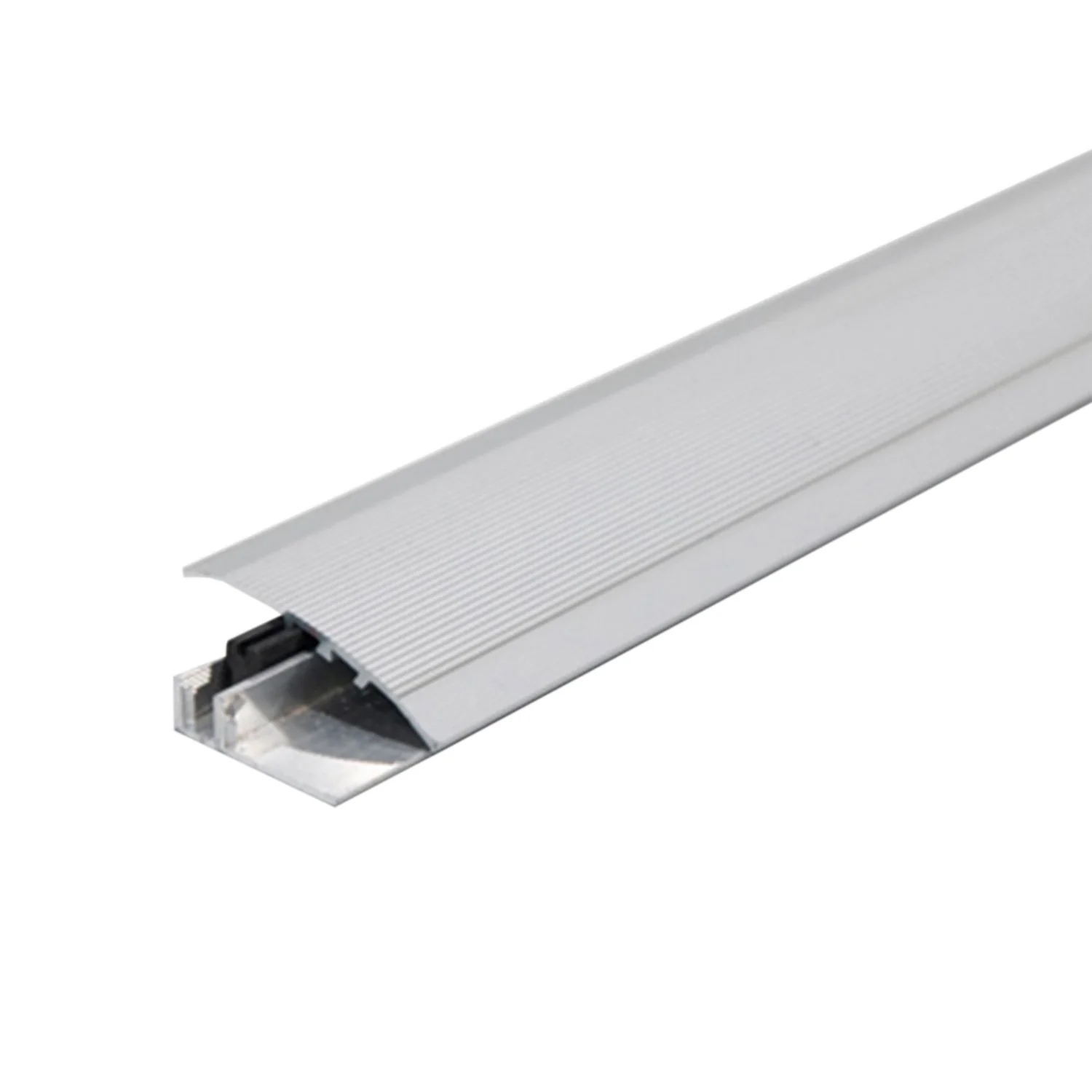
Clip-Top Transitions: A two-part system with a base clipped to a top piece that clamps the carpets. PVC options curve easily for irregular shapes, ideal for custom layouts like schools or offices.

Materials play a key role: Metal (aluminum, brass) resists wear but costs more ($4–$30 per foot); PVC is budget-friendly ($4–$5 per foot) with color options; rubber adds safety in slip-prone areas.

Comparison of Carpet to Carpet Transition Strip Types

To help you decide, here's a detailed table comparing key types based on installation, cost, durability, and suitability:

Type

Materials Available

Installation Ease

Average Cost per Foot

Durability (High Traffic)

Best For

Pros

Cons

Carpet Seam Tape

Adhesive fabric

Easy (heat-activated)

$1–$3

Medium

Invisible seams in large rooms

Seamless look, no hardware needed

Not ideal for height differences or heavy use

Threshold Bars

Metal, wood

Moderate (screw/glue)

$3–$10

High

Doorways, boundaries

Decorative, protective

Visible, may require precise cutting

Z-Bar Transitions

Metal

Moderate (hammer/screw)

$4–$15

High

Uneven edges, secure tucks

Strong hold, prevents fraying

Installation can damage carpet if not careful

T-Molding Strips

PVC, metal

Easy (snap-in)

$3–$8

Medium-High

Equal-height straight runs

Versatile, subtle

Limited to flat surfaces

Reducer Strips

Vinyl, rubber, metal

Moderate (nail/glue)

$5–$12

High

Height variations

Smooth slope, impact-resistant

Bulkier appearance

Clip-Top Transitions

PVC, aluminum

Advanced (two-part)

$4–$20

High

Custom or curved areas

Flexible, ADA-compliant

More complex setup

This comparison highlights how metal-based options like Z-bar or threshold bars often outperform in longevity for busy households, while seam tape suits minimalist designs. Costs are estimates; actual prices vary by brand and length.

Installation Tips for Success

Installing a carpet to carpet transition strip requires preparation: Measure the gap, cut carpets precisely, and ensure a clean subfloor. For tape, use a seaming iron at 250–300°F. Bars and moldings need screws or adhesive—avoid shortcuts to prevent loosening. Tools like knee kickers help tuck edges. If heights differ, pad the lower side. Professionals recommend testing in a small area first. Common pitfalls include mismatched colors or ignoring expansion gaps (leave 1/4-inch for movement).

Pros, Cons, and When to Choose Each

Overall, carpet to carpet transition strips boost safety and aesthetics, but consider cons like potential visibility or installation complexity. For high-traffic homes, opt for durable metal; budget projects favor PVC. If blending styles, seam tape hides differences best. Always match to your carpet's pile height—low-pile works with flat strips, while plush needs reducers.


In summary, selecting the right carpet to carpet transition strip transforms awkward joins into seamless features. Whether prioritizing invisibility or strength, these options cater to diverse needs, ensuring long-term satisfaction.

Get A Free Sample

Try out the products you are interested in and get free samples. See the quality for yourself and let’s start working together right away.

全局弹窗

Get In Touch Today

After you fill out the form, We will contact you within 24 hours.

The first objective will be to understand your needs, then develop a business plan together and provide you with the best pricing!

Address

Workshop No. 3 (Self - designated), Sizhong Industrial Zone, Dazhen Community, Dali Town, Nanhai District, Foshan City

Tel

+86 13392243769

WhatsApp

+86 13392243769

Email

senmry@vip.163.com